
Public Administration
Public Administration includes careers that support the daily operations of town governments, public safety departments, public works, regulatory boards, and community services. These professionals ensure that municipal services run smoothly — from maintaining roads and responding to emergencies to issuing permits and supporting town meetings.
On Martha’s Vineyard, each town operates its own municipal government, creating steady demand for skilled workers in administration, public safety, public works, facilities, and clerical roles. Many entry and mid-level positions do not require a four-year degree and instead prioritize certifications, civil service exams, or on-the-job training.
Public administration careers offer year-round employment, strong benefits, pensions (in many roles), and opportunities for advancement within town government.
Explore Jobs
in this Industry
-
Supports town offices with records management, licensing, permits, and public inquiries.
Typical Requirements:
High school diploma or associate degree
Strong computer and organizational skills
Municipal software training (on the job)
Estimated Regional Pay:
$22–$32/hour -
Maintains roads, drainage systems, town buildings, and public spaces.
Typical Requirements:
CDL (Commercial Driver’s License) for many roles
Hoisting license (Massachusetts)
OSHA training
Estimated Regional Pay:
$24–$38/hour -
Maintains public water systems and wastewater treatment facilities.
Typical Requirements:
Massachusetts Water Operator License
On-the-job training
State certification exams
Estimated Regional Pay:
$28–$45/hour -
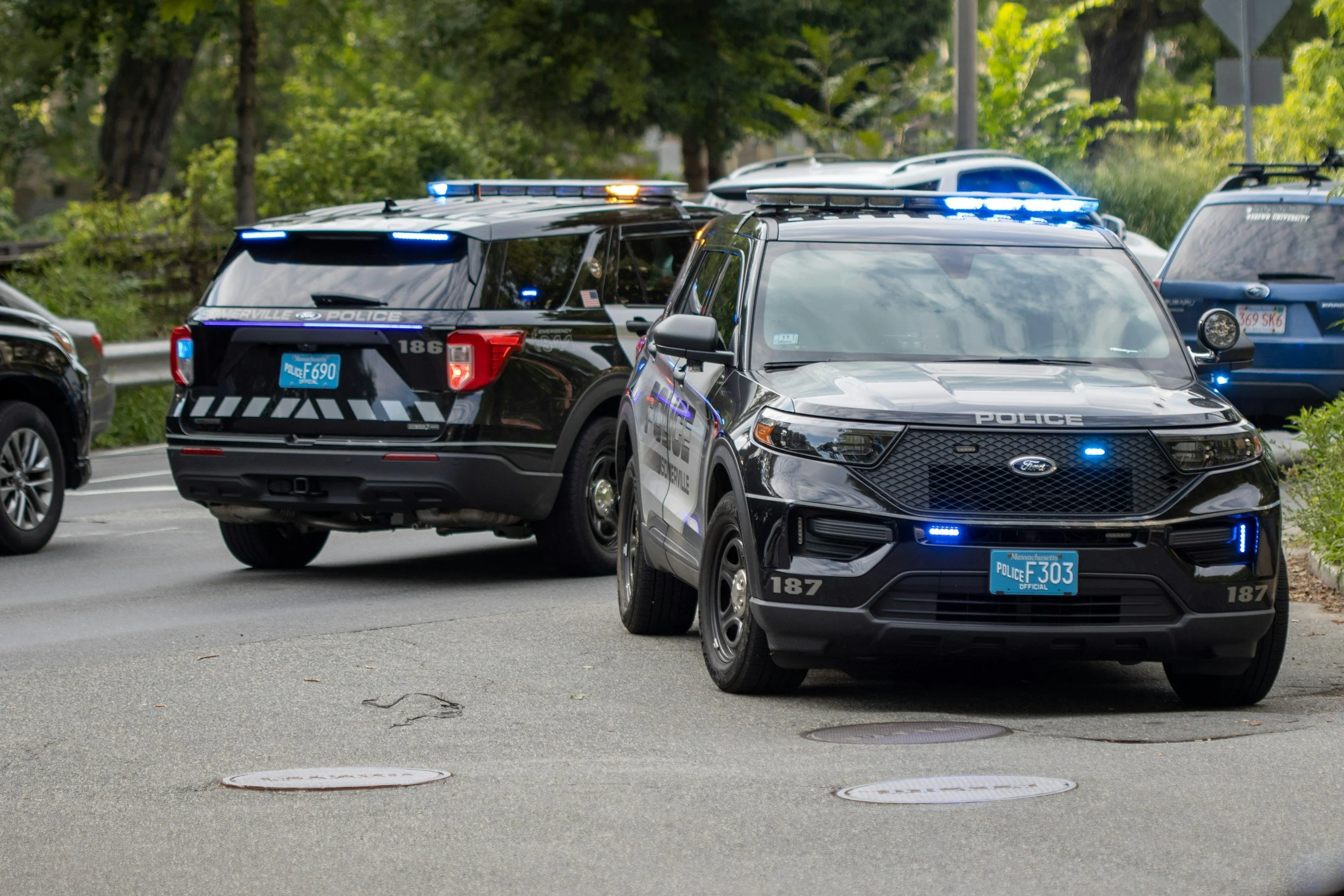
Enforces laws and supports community safety.
Typical Requirements (Massachusetts):
Completion of a municipal police academy
Civil Service Exam (in most towns)
Background investigation
Overseen by Massachusetts Municipal Police Training Committee
Estimated Regional Pay:
$55,000–$90,000 annually (plus overtime) -
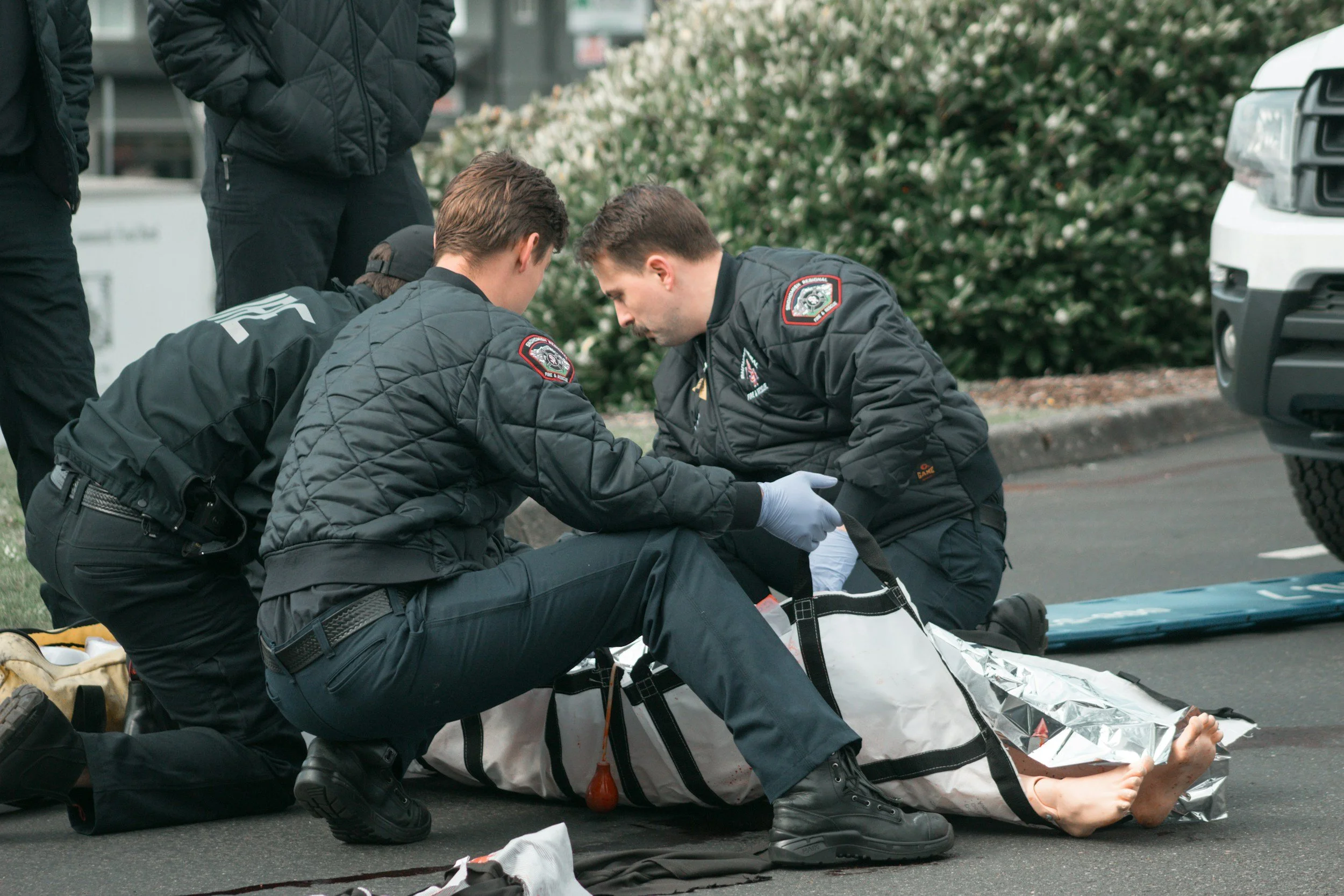
Core Responsibilities
Fire suppression and containment
Search and rescue operations
Hazardous materials response
Emergency medical response (often EMT-certified)
Equipment inspection and maintenance
Fire prevention education
Training and certification are overseen by the Massachusetts Department of Fire Services.
Training Requirements
Massachusetts Fire Academy completion
EMT certification (commonly required)
Civil Service Exam (in many departments)
Physical ability testing
Background investigation
Fire academy training typically lasts 10–14 weeks full-time.
Estimated Regional Pay
$50,000–$85,000 annually
Overtime opportunities common
Strong benefits and pension systems (in career departments)
-
EMT-Basic (Entry Level)
Patient assessment
CPR and basic life support
Oxygen administration
Trauma stabilization
Transport to hospital
Advanced EMT (AEMT)
IV therapy
Advanced airway management
Limited medication administration
Paramedic
Advanced cardiac life support
Medication administration
Advanced airway procedures
Cardiac monitoring
Certification is overseen by the Massachusetts Office of Emergency Medical Services.
Training Requirements
EMT course (typically 4–6 months)
National Registry exam (NREMT)
Massachusetts state certification
CPR certification
Paramedic programs require 1–2 additional years of advanced training.
Estimated Regional Pay
EMT: $20–$30/hour
Paramedic: $28–$40/hour
Overtime and per diem shifts are common.
-
Supports permitting, inspections, and zoning compliance.
Typical Requirements:
Construction background helpful
State certification for inspector roles (can be earned while working)
Strong knowledge of building codes
Estimated Regional Pay:
$25–$40/hour -
Supports harbor management, boating regulations, and waterfront safety.
Typical Requirements:
Boating experience
Safety certifications
Seasonal to full-time pathway
Estimated Regional Pay:
$22–$35/hour -
Shellfish Constables are appointed municipal officials in Massachusetts, responsible for enforcing state and local regulations to manage and protect shellfish resources. They oversee shellfish propagation, water quality testing, licensing, and harvesting to ensure sustainable, legal, and safe practices.
Responsibilities
Enforcement & Monitoring: Ensure shellfishers have valid permits, adhere to harvesting times, and collect only legal-sized shellfish.
Resource Management: Promote sustainable harvesting, manage aquaculture, and conduct predator control programs.
Public Health Protection: Monitor water quality, ensure safe consumption, and manage closures of contaminated areas.
Public Education: Inform the public about law changes, seasonal updates, and shellfishing regulations
Education
MSOA Shellfish Constable Certification
Typically administered by Cape Cod Community College
Estimated Regional Pay:
$50,000 annually
Training Programs
-
Programs Include:
Criminal Justice (Associate Degree)
Emergency Medical Technician (EMT) - Occasionally offered on MV with the Oak Bluffs Fire/EMS Station
Public Safety training
Website:
https://www.capecod.edu/ -
-
-
Upper Cape Tech Drinking Water Operator Training Program is delivered in a hybrid format. It is designed to provide students with introductory knowledge and practical skills to work in drinking water treatment and distribution and will aid in the preparation for D1 and T1 certification exams.
The comprehensive curriculum, covering a wide range of essential topics from basic drinking water principles to operation and maintenance of drinking water distribution and treatment systems, directly aligns with the knowledge required for drinking water operator certification exams. The Drinking Water Operator Training Program is an in-person class with an online component.
-
Anyone born after January 1, 1989, has until April 1, 2026, to obtain their boater education certificate, provided that no operator shall be assessed a penalty until September 1, 2026. Anyone born on or before January 1, 1989, must obtain their certificate before April 1, 2028. Operators of motorboats and PWCs will be required to show proof of completion of an approved boater education course when underway on the waters of the Commonwealth.