
Marine Trades
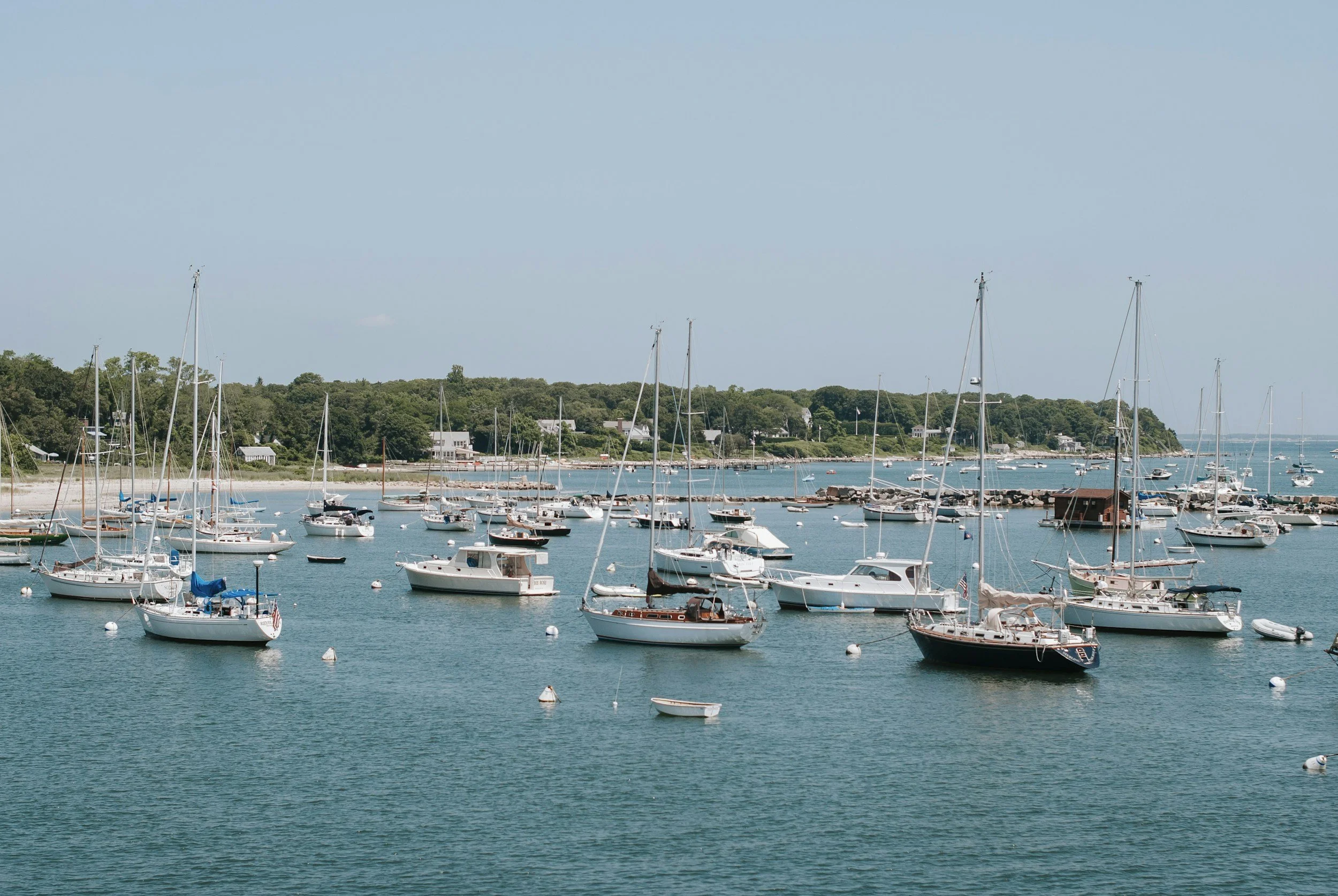
The Marine Trades industry is a cornerstone of the Martha’s Vineyard economy. With thousands of seasonal and year-round vessels, multiple working harbors, boatyards, ferry traffic, and a strong recreational boating culture, skilled marine professionals are in consistent demand.
Many marine trades careers are hands-on, skill-based roles that require technical training, apprenticeships, or certifications. These jobs offer competitive wages, strong seasonal earning potential, and long-term career pathways into supervisory or business ownership roles.
Marine trades work combines mechanical skill, craftsmanship, problem-solving, and outdoor work — ideal for individuals who prefer practical, physical careers.
Explore Jobs
in this Industry
-
Career Profile: Boat Yard Laborer
This is an excellent opportunity to work in a dynamic, outdoor environment surrounded by the marine industry. These positions frequently require using hand tools and operating machinery.
Typical Tasks
Perform general maintenance and cleaning of vessels, equipment, and the boat yard
Waxing, detailing, painting
Support technicians and other team members with various tasks
Training & Credentials
No experience required
On-the-job training is common
Earning Potential (Massachusetts)
Average Entry Level: 40,000 - 50,000 per year
Skills & Traits
Strong work ethic and willingness to learn
Comfortable working in all weather conditions
Team player with good communication skills
-
Career Profile: Harbormaster
A Harbormaster is a municipal or port official responsible for managing, regulating, and ensuring safety within a harbor and its surrounding waterways.
Typical Tasks
Handle vessel mooring/dockage assignments
Enforce boating laws and ordinances
Manage infrastructure and ensuring safe waterway access
Conduct search and rescue operations.
Training & Credentials
Completion of Professional Mariner/Law Enforcement Academy/USCG Licensed Captain and Masters License may be required
CPR/First Aid/First Responder Certification may be beneficial
Earning Potential (Massachusetts)
Average: $50,000 per year
Skills & Traits
Adapts quickly and efficiently to changing priorities
Ability to supervise and direct personnel, such as assistant harbormasters and dock crew.
Strong communication with diverse user groups, boaters, and stakeholders
-
Career Profile: Marine Carpenter
As a Marine Carpenter, you will be responsible for constructing, repairing, and restoring wooden parts and structures on various types of marine vessels.
Typical Tasks
Use hand tools, power tools, and woodworking machinery to create and assemble wooden parts.
Inspect the condition of wooden components and determine repairs or replacements.
Apply finishes, sealants, and coatings to protect and enhance wooden surfaces.
Collaborate with team members
Training & Credentials
Technical training or certifications in carpentry preferred
Earning Potential (Massachusetts)
Average: 57,000 per year
Skills & Traits
Woodworking skills
Commitment to precision and quality
Experience with CAD (Computer-Aided Design) and CAM (Computer-Aided Manufacturing)
-
Career Profile: Marine Technician
Marine technicians understand the working principles and how all systems and components work on a boat
Typical Tasks
Inspect, maintain, and repair boats of all kinds.
Use diagnostic equipment to test and repair boat engines, hulls, propellers, rigging, and navigational equipment
Senior Mechanics are responsible for providing expert technical knowledge and experience and helping to train other Teammates
Training & Credentials
Technical training or certifications in mechanics may be beneficial
Earning Potential (Massachusetts)
Entry-Level: $62,000 - $80,000
Skills & Traits
Ability to work in confined spaces
Genuinely serves others with humility and a positive attitude
Adapts quickly and efficiently to changing priorities in order to meet teammate or member needs
Training Programs
-
Training Summary:
This 245 Hour course will introduce basic marine engine troubleshooting including but not limited to:
Two and four stroke engines and components, fuel and fuel systems, lubricants, cooling systems, iginition and battery systems. Marine technician electrical systems training will include AC vs. DC systems, series parallel, electronic ignition, and hybrid systems.
A diesel engine training component will offer understanding of diesel fuel and fuel delivery systems and turbocharging. Students will learn about inboard vs. outboard drive systems, I/O systems and Pod drives, propellers and gear rations. Two certificates are offered with the training: OSHA 10-Hour General Industry and the Boating Safety Course.
Students will also learn to use the different welding technologies (MIG, TIG and ARC) and the use of plasma and oxygen/acetylene torches to complete marine repair projects.
Local Training Options:
Upper Cape Tech – Marine Technician Program
-
Training Summary:
This 100-hour program is for entry-level participants with little or no experience in the field. Previous experience is desirable but not required. Interested participants should have a high school diploma/equivalent or 1-3 years' experience in the field.
This program is not designed for do-it-yourself home repair, but for those looking for a career path entry level program in the recreational marine industry with a focus on Yamaha Outboard products.
What to Expect
This in-person program includes classroom instruction, onsite technical instruction, and online instruction. Students will receive career coaching, curriculum support, as well as hands-on training.
Local Training Option:
Cape Cod Community College - Marine Technician Training 🔗https://capecodcc.coursestorm.com/category/marine-technology
-